What a Good Venue Advance Actually Looks Like
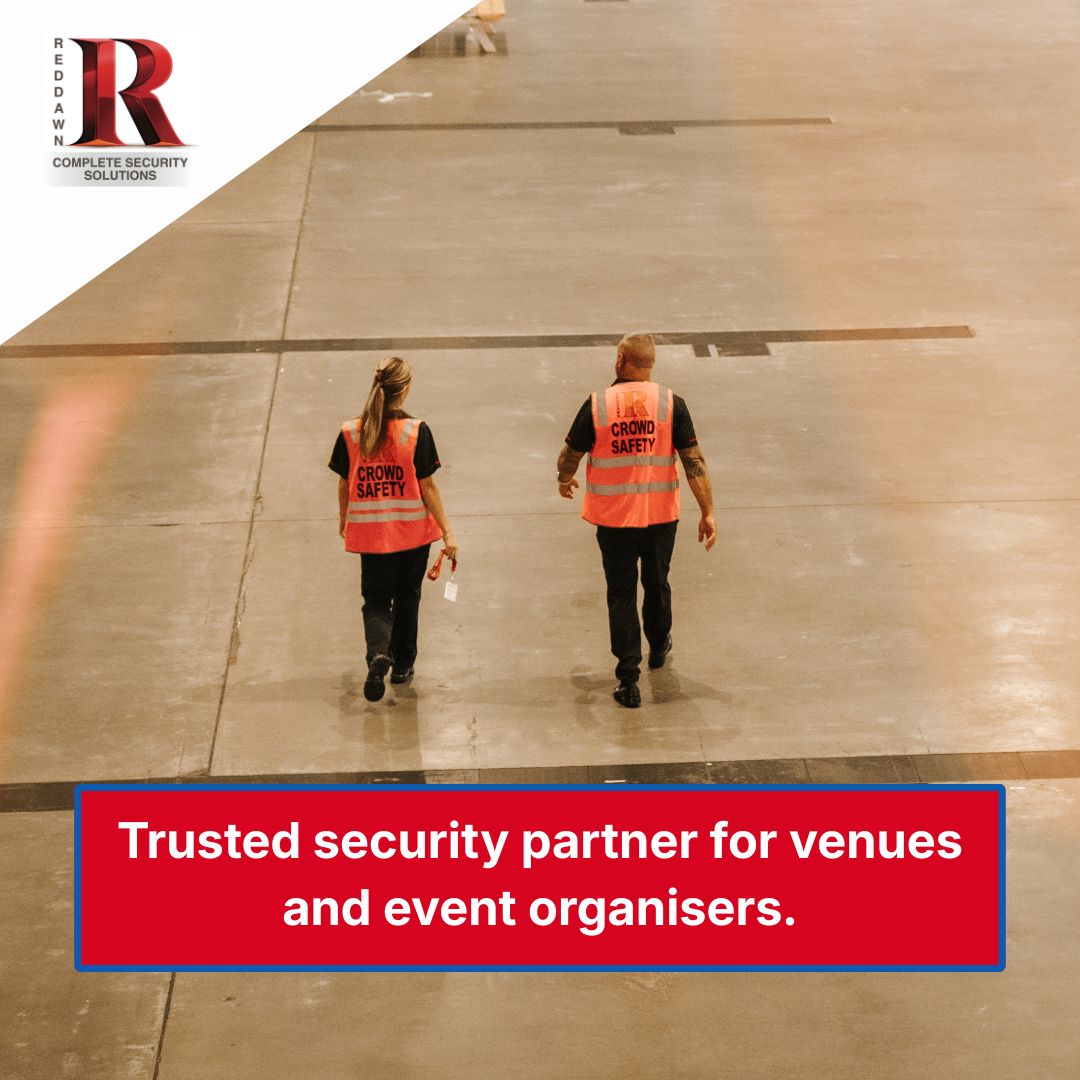
Most people never see the work that determines whether a major event runs safely. It happens days before the crowd arrives, in empty venues, with clipboards and conversations and a lot of questions that nobody thinks to ask until something goes wrong.
The venue advance is one of the most important and least understood disciplines in event security. It is where risk is assessed before it becomes an incident. It is where decisions are made that protect thousands of people who will never know those decisions were made. Done well, it is invisible. Done poorly, the consequences are not.
This is what a professional venue advance actually involves, and why the quality of that work matters more than most event organisers realise.
What Is a Venue Advance?
A venue advance is the pre-event site assessment carried out by the security team ahead of a major show, tour date, or event. The advance operative, sometimes called the advance security coordinator, attends the venue in the days or hours before the event, works through the venue with a structured methodology, and produces a brief that informs every security decision made on the day.
The word "advance" is important. It reflects the fundamental principle: the time to find a problem is before the crowd is inside, not after.
For touring productions, the advance role is typically performed by a designated member of the artist's security team, often working alongside a locally embedded security operator who knows the specific venue, city, and regulatory environment. That local knowledge is not a nice addition. In a country like Australia, where regulations vary between states and venue configurations vary enormously, it is essential.
What a Venue Advance Actually Covers
A thorough venue advance is not a walkthrough. It is a structured assessment that works through several distinct areas, each with its own set of questions and risks.
The Physical Environment
The advance begins with understanding the space itself. Entry and exit points, their capacity, their flow rate under load. Pinch points where crowd density will build. Areas where sight lines are poor. Emergency access routes and whether they are actually usable, not just marked on a floor plan. Backstage access, artist arrival and departure routes, and the separation between public and non-public areas.
A good advance operative is not just looking at what is there. They are thinking about what happens when something goes wrong. If there is a medical emergency at the front of stage during the headline act, what is the extraction route? If there is a crowd surge at the main entry point, where does the overflow go? If an artist needs to leave quickly and unexpectedly, can they?
These questions need answers before the doors open, because getting the answers after is too late.
Crowd Flow and Pinch Points
Crowd management begins with understanding how people move through a space, and where the movement breaks down. The advance assesses entry sequencing, bar and amenity placement relative to circulation routes, barrier configurations, and the relationship between capacity and the physical space available.
This is where the academic discipline of crowd safety becomes operationally relevant. The difference between crowd management and crowd control is the difference between designing a space so that dangerous density never develops and responding to dangerous density after it has already formed. A properly conducted advance prioritises the former. It asks not just whether the venue is set up for safety, but whether the event layout and ticketing configuration will create conditions that need managing before a single person walks through the door.
Communication and Command Infrastructure
Who is in charge if something happens? Is there a shared radio network between the security team, venue operations, and emergency services? Where is the event control room, and does it have the sight lines and information feeds it needs to make decisions under pressure?
The advance should establish a clear command structure and confirm that the communication infrastructure exists to support it. In a busy venue on a major event night, the difference between a well-managed incident and a poorly managed one often comes down to whether the right person knew what was happening, fast enough to act.
Relationships and Local Knowledge
The advance operative should be making contact with venue management, local police liaison where relevant, and first aid teams. Not to hand over responsibility, but to establish working relationships before they are needed under pressure.
A security advance that walks into a venue for the first time at bump-in, meets the venue's security manager at load-in, and is introduced to police liaison twenty minutes before doors open is not an advance. It is a risk.
Good advance work means those relationships are already in place. It means the security director knows the venue manager's name, understands the venue's existing operational protocols, and has identified any gaps between what the touring production needs and what the venue's standard operation provides.
The Brief: Where Advance Work Becomes Operational Guidance
The product of a venue advance is a brief. Not a form. Not a checklist. A document that gives the security team a clear, accurate, specific picture of the environment they are walking into and the decisions that have already been made to manage it safely.
A good brief covers the physical layout, the command structure, the communication protocols, the identified risks and the mitigations in place, the emergency procedures, and the specific considerations for this event, this artist, and this crowd. It is written for the people who will use it, which means it is clear, specific, and honest about what is known and what is not.
The brief is also a communication document. When the touring security director lands in a city they have never visited before, the venue advance brief is how they understand the environment they are responsible for. It should give them confidence, not raise more questions.
Why This Is Often Done Poorly
The honest answer is that venue advance work is difficult, time-consuming, and not billable in the same visible way that personnel on the door is. It requires experience, structured methodology, and the kind of deep operational knowledge that takes years to develop. When event security is procured primarily on price, the advance work is often the first thing that gets compressed.
The result is security teams arriving at venues they do not know, with no established relationships, no site-specific brief, and no clear picture of the risks specific to that event. The personnel are often competent. The preparation that would allow them to deploy that competence effectively is not there.
This is not a criticism of individual security operatives. It is a structural observation about how event security is often commissioned and delivered in Australia, and what that means for the people attending those events.
What Good Looks Like
A professional venue advance is methodical, relationship-driven, and honest about uncertainty. It is conducted by someone with genuine operational experience, not a junior staff member with a form to fill in.
It treats the venue as a system, not a list of rooms. It thinks about how that system behaves under the specific pressures this event will create, with this crowd, at this time of year, in this city.
It produces a brief that is genuinely useful to the people who will work the event, not a document that demonstrates the advance was conducted.
And it is conducted early enough to allow for follow-up. If the advance identifies a risk that requires a conversation with venue management, or a change to the barrier configuration, or an additional communication with police liaison, there needs to be time for that conversation to happen before it matters.
The best venue advances find things that need fixing. That is the point. The measure of a good advance operative is not that they gave the venue a clean bill of health. It is that they found the things that needed attention, communicated them clearly, and ensured they were addressed before the crowd arrived.
The Human Dimension
It is easy to describe venue advance work as a technical exercise. Site assessment, risk mapping, brief production. The methodology is structured and the output is documented.
But the work is ultimately about people. The 60,000 who will stand in front of a stage and trust, without thinking about it, that the environment is safe. The 22-year-old security officer working their first major event who needs a clear brief and a command structure they can rely on. The artist who needs to know that if something goes wrong, there is a plan and people who know how to execute it.
The best security professionals in this field carry that responsibility consciously. They know that the decisions made in an empty venue on a Tuesday afternoon will determine how safe a crowd is on a Saturday night.
That is not a marketing position. It is an operational reality. And it is the reason that the quality of venue advance work is not a marginal consideration in event security. It is a foundational one.
Reddawn provides venue advance, personal tour security, and full-scope event security operations across Australia, New Zealand, and Asia. For touring enquiries, contact us at contact@reddawn.com.au or call 1800 REDDAWN.
Find out more about how Reddawn can help your business and request a quote today.

Latest news
.jpg)

A holistic and tailored approach to risk management
